
EU · family visual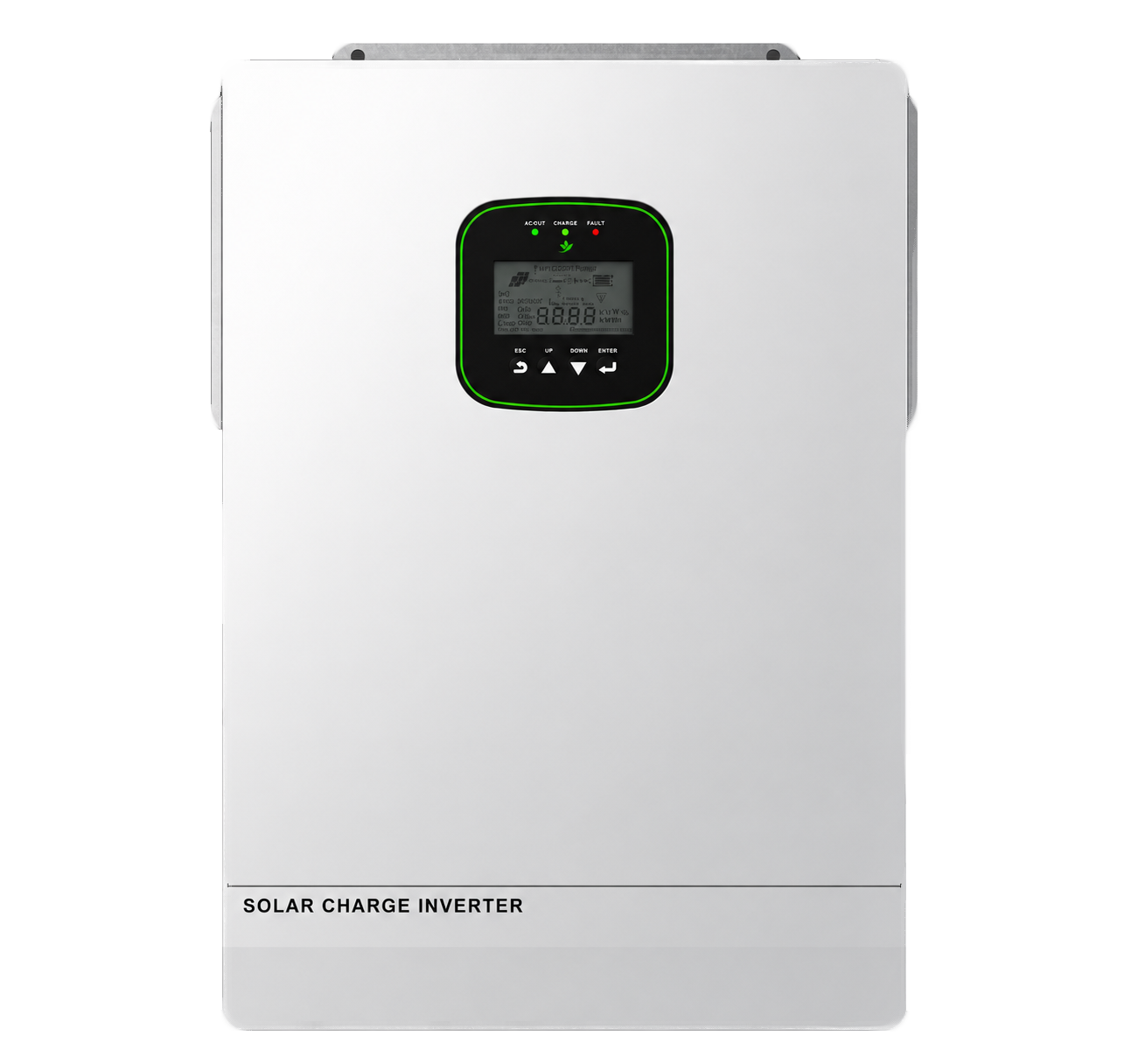
Single-phase · 24V battery
ELE SPI2436V120-500
3.6kW
rated output
rated output
- PV input
- 6kW
- MPPT
- 1 × 27A
- Parallel
- No
Residential hybrid inverter platform
Documented 3.6–16kW hybrid inverter models for solar, low-voltage batteries and backup power—organized for EU and US electrical systems.
Featured platform 48V hybrid series
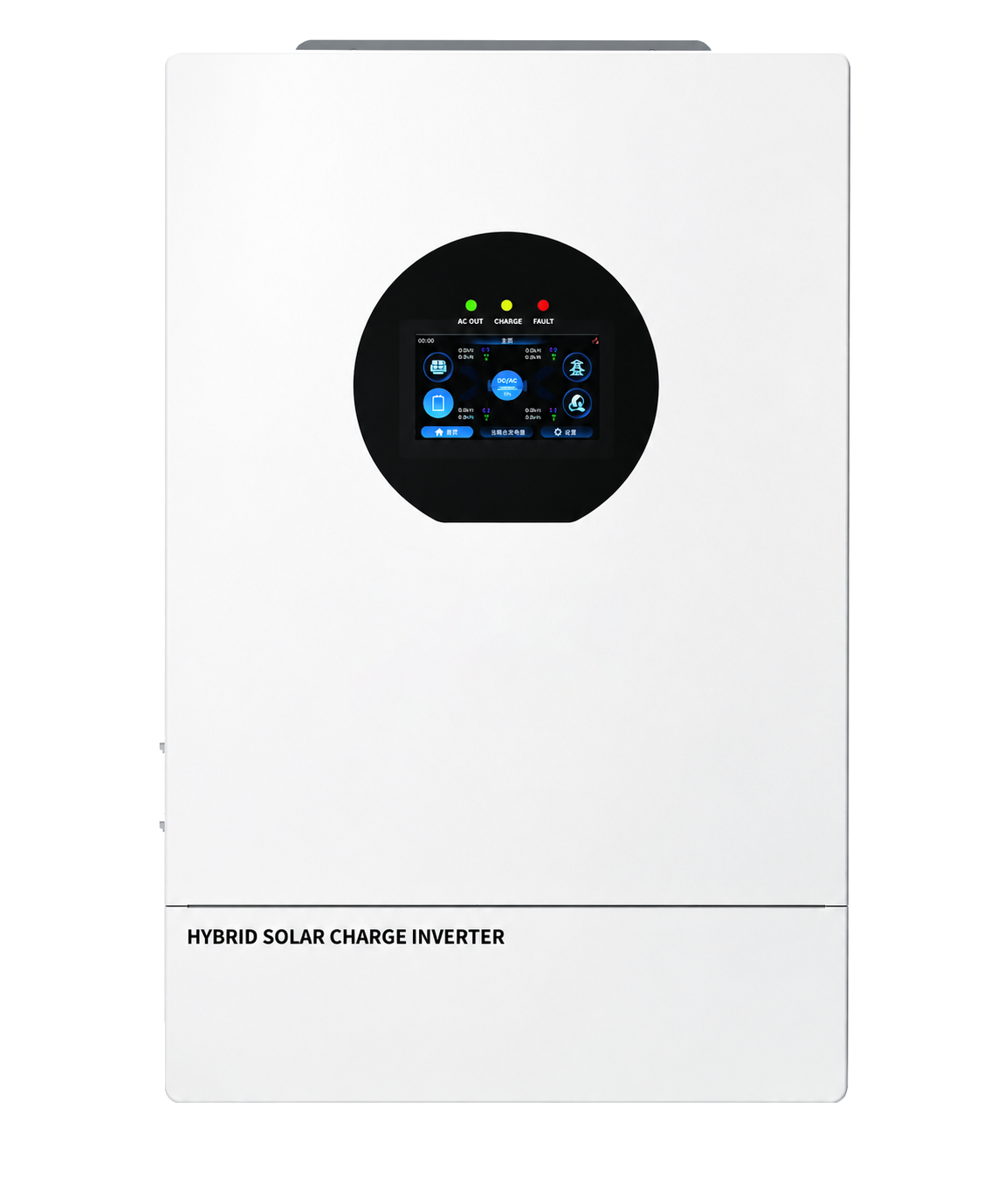
*Documented models; configuration varies by model.
Product range
Start with the electrical system, then compare output power, battery voltage, PV input and parallel capability. Every value below comes from the current product brochure.
Single-phase · 24V battery
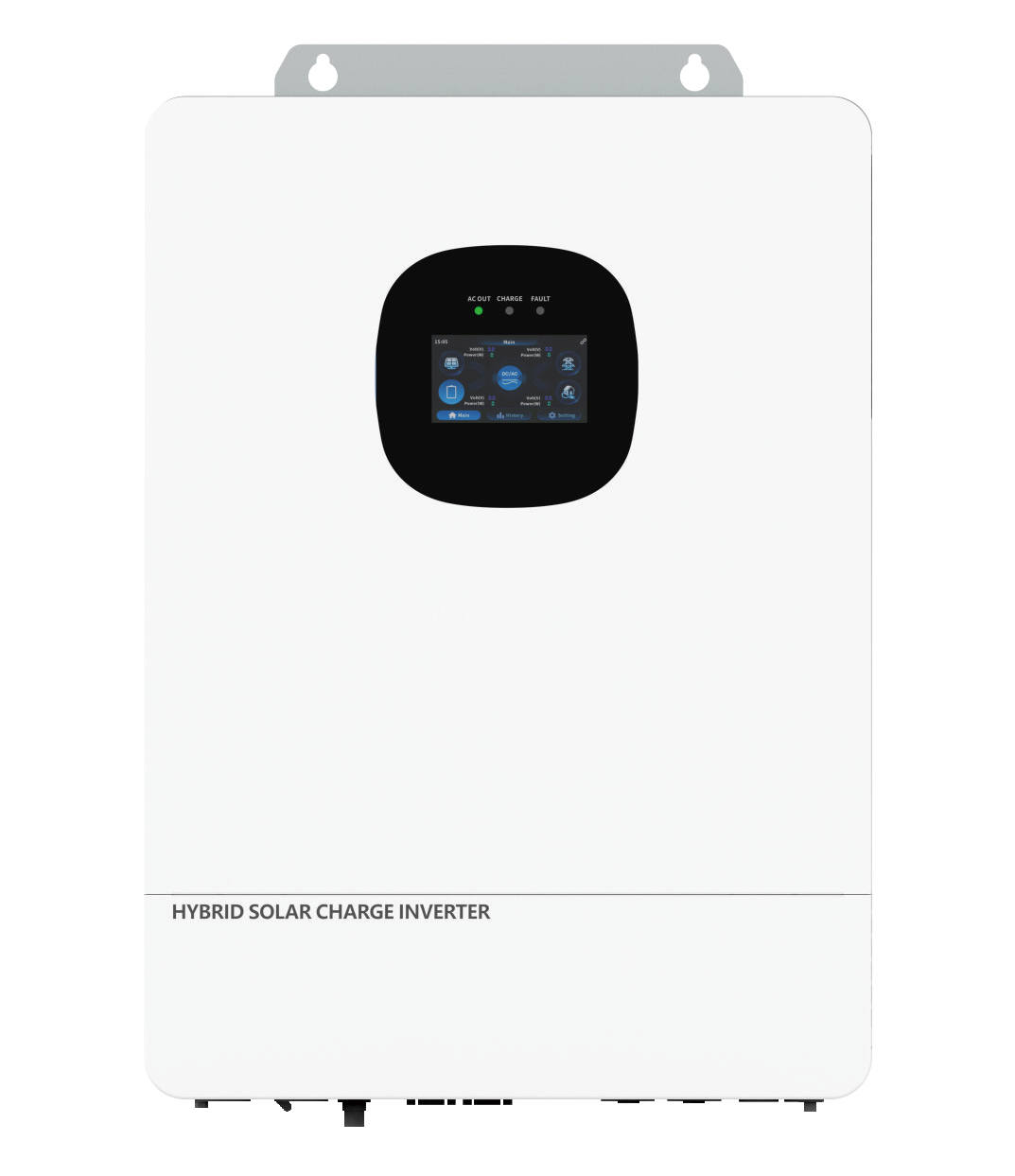
Single-phase · 48V battery
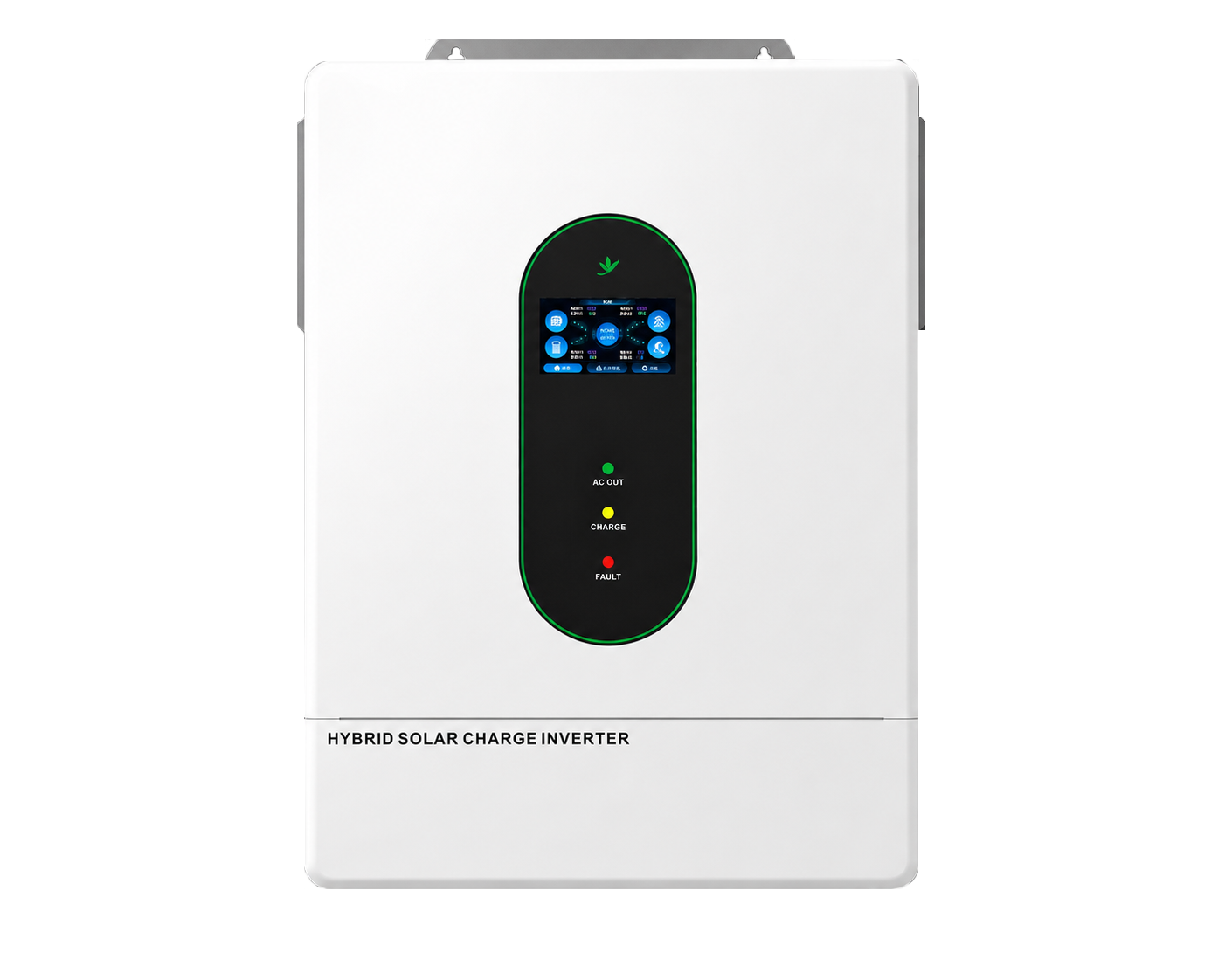
Single-phase · 48V battery
Three-phase · 48V battery
Single-phase · 24V battery
Single-phase · 48V battery
Split-phase · 48V battery
Split-phase · 48V battery
Product values are presented from the July 2026 neutral residential inverter brochure. Product images are family visuals until exact image-to-model mapping is confirmed. Final configuration and documentation must be confirmed by model before ordering.
System architecture
A hybrid inverter coordinates PV generation, battery charging, grid interaction and backup loads. Model-level limits determine how much power can move along each path.
HybridApplications
Choose the operating objective before the model: self-consumption, backup continuity, off-grid supply or time-of-use management. Explore all applications
Use daytime PV to serve household loads and charge a compatible battery before drawing from the grid.
Transfer critical loads when the grid is interrupted, within the selected model’s output and surge limits.
Coordinate PV, battery and supported generator control where utility supply is unavailable or unstable.
Schedule charging and discharging around tariff periods when the selected model and local rules permit.
Technical resources
Check the exact model, grid standard, battery window, MPPT range, interfaces and installation conditions before specifying an inverter.
Explore selection resources →Selection guide
Compatibility guide
On request
Zhengzhou ELECNO
This site is being built as the dedicated inverter and compatibility resource of Zhengzhou Elecno Intelligent Technology Co., Ltd. Its role is to make product limits, interfaces and application decisions easier to verify.
Technical FAQ
Answers below describe the current documented range. Final selection still depends on the exact model and local electrical requirements.
The current residential brochure documents models from 3.6kW to 16kW. It does not document an 18kW model, so an 18kW page will not be published until a matching specification is available.
No. The documented models use 24V or 48V battery platforms. PV input may reach a higher voltage on selected models, but PV voltage must not be confused with battery voltage.
USB, RS485 and Wi-Fi are listed across documented models, while CAN appears on selected US split-phase models. Compatibility must be confirmed by exact inverter model, battery and protocol version.
Selected models support one to six units in parallel. Entry models and some configurations do not. The model datasheet and installation design must be checked before planning a parallel system.
You can request the applicable documentation for a specific model and target market. Website claims and marks will only be published after the corresponding certificate scope and revision have been verified.
Model selection support
Share the target country, grid phase, required output, PV array and battery voltage. We use your project details to review the model and reply to your inquiry.
With your permission, we use Google Analytics to understand page visits and inquiry-button use. We do not send your form answers to analytics. You can change your choice using Analytics preferences in the footer. Privacy policy